Simple Spring Refresh Ideas for your home (And How to Use Them)
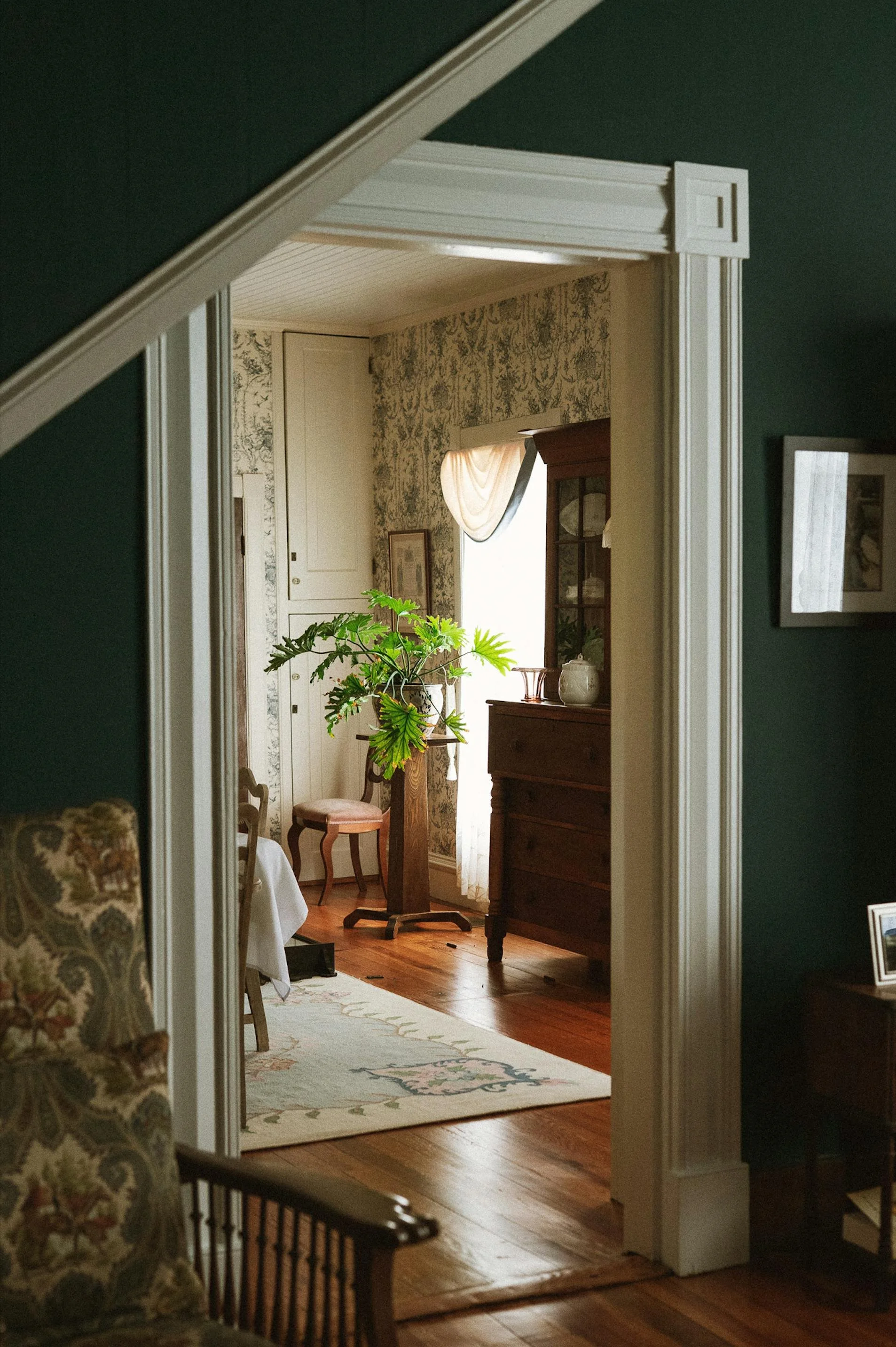
There's a shift that happens around this time of year that's hard to ignore. The light changes. It lingers longer, sits lower through the windows, and lands differently on everything it touches. And suddenly, your space — the one you've lived in all winter — starts to feel like it needs to breathe again.
A spring refresh isn't about overhauling your home or chasing whatever's trending on mood boards right now. It's about responding to the season intentionally — adjusting the feeling of your space without losing what makes it yours. Below, we've broken down ten simple but meaningful ways to bring that energy into your home this spring.
1. Swap Out Your Textiles First
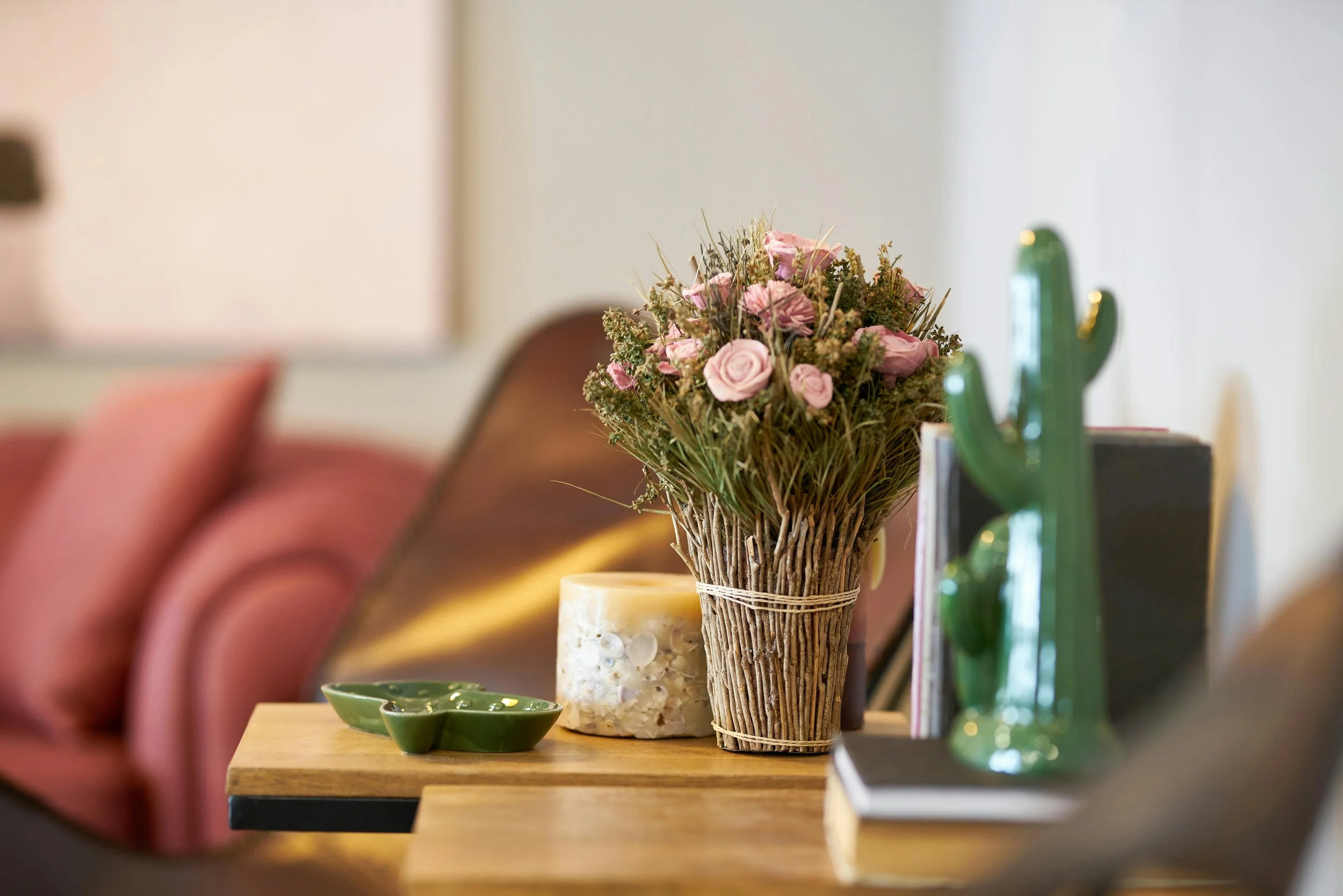
The fastest way to shift the feeling of a room is through textiles. Winter calls for heavier throws, thicker rugs, and layered bedding. Spring is the opposite. Lighter, breathable fabrics — linen, cotton, woven blends — introduce airiness without you having to move a single piece of furniture.
How to use it at home: Start with your sofa throws and bed linens. Fold away anything chunky or dark and bring in something with texture but weight — a loose linen throw, a waffle-weave blanket in a warm neutral, or a lighter area rug that lets the floor breathe. Even the swap of one or two cushion covers can noticeably change a room's mood. Think tones like sand, sage, off-white, and dusty terracotta — colors that feel pulled from the outside in.
2. Let More Natural Light In
This one sounds obvious, but most of us are guilty of blocking more light than we realize. Heavy curtains, furniture positioned too close to windows, and built-up clutter near sills all compete with the one thing spring gives you for free: better light.
How to use it at home: Pull back curtains fully during the day, or consider swapping to a sheer panel that filters rather than blocks. Move any furniture that sits directly in front of a window, even slightly. Clean your windows — genuinely, it makes a larger difference than expected. Once the light is flowing properly, the rest of your space will look better with very little additional effort.
3. Refresh Your Wall Art
Your walls carry a lot of the emotional weight of a room, and wall art that felt grounding through winter can start to feel heavy come spring. This is the season to reassess what's up, what's working, and what needs to be rotated out or repositioned.
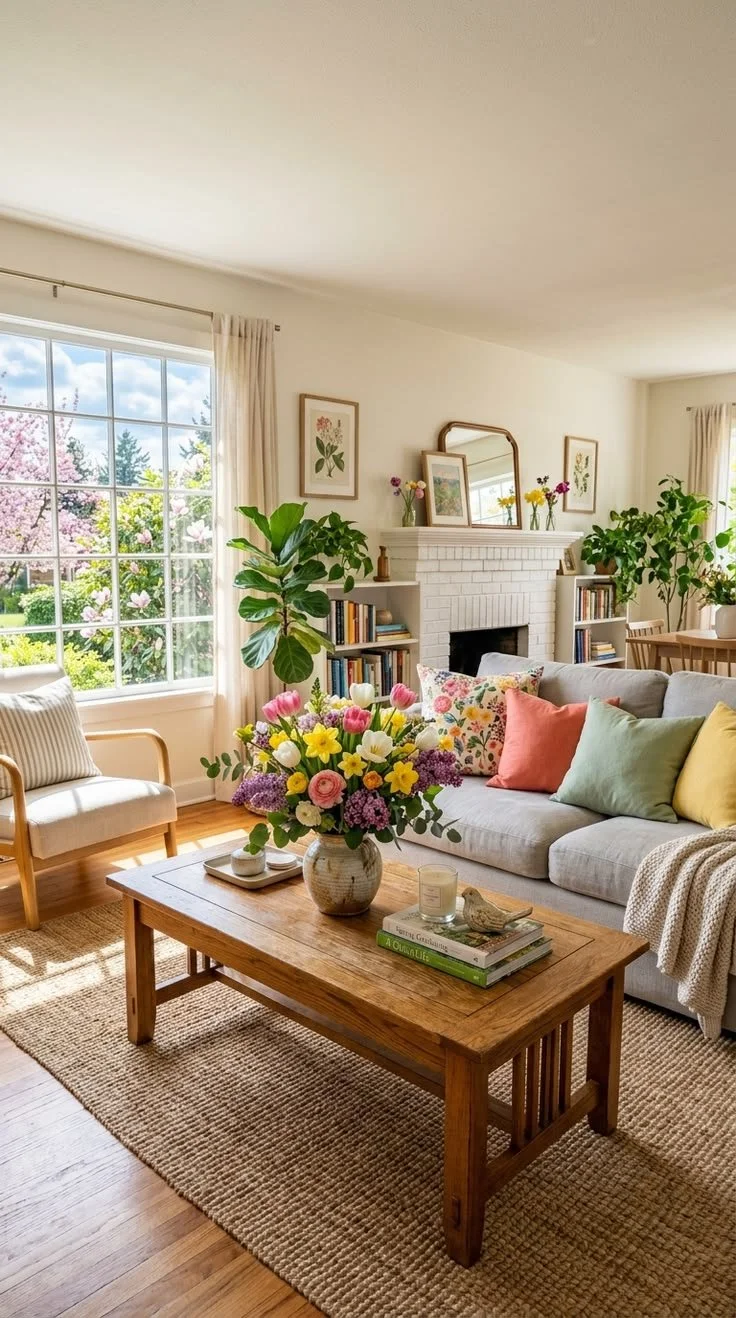
How to use it at home: You don't need new art to refresh a wall. Start by removing a piece or two to create breathing room — sometimes less is more impactful than more. If you are adding something new, spring is the right time for pieces that feel lighter in tone: abstract work in warm neutrals, organic line prints, or landscape-inspired art that echoes the world coming back to life outside. A single well-chosen piece on a previously empty wall often does more than a cluttered gallery arrangement.
4. Bring the Outside In With Greenery
Plants are one of the most effective and accessible tools in a decorator's kit. They add color, life, texture, and scale all at once — and in spring, sourcing them is easier and cheaper than at any other time of year.
How to use it at home: If you're new to plants, start with low-maintenance varieties like pothos, snake plants, or rubber trees. Positioning matters just as much as plant selection — a tall plant in a corner adds vertical interest, while smaller plants clustered at different heights on a shelf or credenza create a layered, living display. Don't overlook cut stems and branches either. A simple glass vase with eucalyptus, dried pampas, or seasonal florals can be just as impactful as a potted plant and requires no ongoing care.
5. Edit Before You Add
One of the most underrated parts of a seasonal refresh is the editing process. Before buying anything new, take a step back and assess what's already in the room. Clutter accumulates quietly over winter — objects that were placed temporarily, decor that's overstayed its welcome, pieces that no longer serve the feeling you're going for.
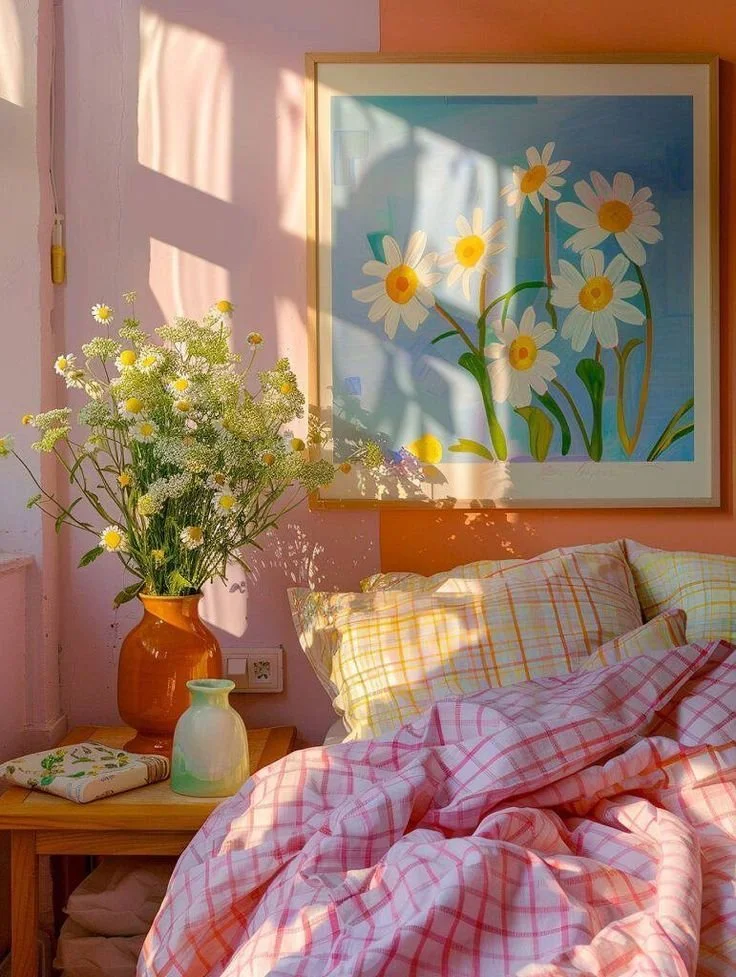
How to use it at home: Walk through each room with the intention of removing things rather than adding them. Pull anything that feels heavy, dated, or simply out of place. Surfaces should have room to breathe — a cleared console or nightstand reads as intentional and calm, not empty. Once you've edited down, you'll likely find that the room already feels more refreshed, and anything new you bring in will land with far more impact.
6. Introduce Spring Color Through Accents
You don't need to repaint to bring spring color into your home. The most effective approach is through accents — small, removable, and easily swappable objects that shift the palette of a room without a permanent commitment.
How to use it at home: Think ceramics, vases, decorative objects, and soft furnishings. Muted greens, soft terracotta, warm yellows, and dusty blues all translate well into a spring palette without feeling too literal or seasonal. The goal is to introduce warmth and freshness, not to turn your home into a garden. Choose one or two accent tones and repeat them across the room in different materials and scales — a green ceramic next to a green throw, for example — to create visual cohesion without matching everything perfectly.
7. Rethink Your Lighting Setup
Spring changes the quality of natural light dramatically, which means your artificial lighting setup — designed for darker winter evenings — may need adjusting. Overhead lighting that felt warm and cozy in December can feel flat and uninspiring when the days are longer.
How to use it at home: Lean into layered lighting rather than relying on a single overhead source. Table lamps, floor lamps, and ambient lighting placed at lower levels create warmth and dimension as daylight fades. Consider the color temperature of your bulbs — warmer tones (2700K–3000K) feel more inviting and work especially well in spring and summer evenings. If you've been meaning to add a lamp to a corner that always feels dark, now is the time.
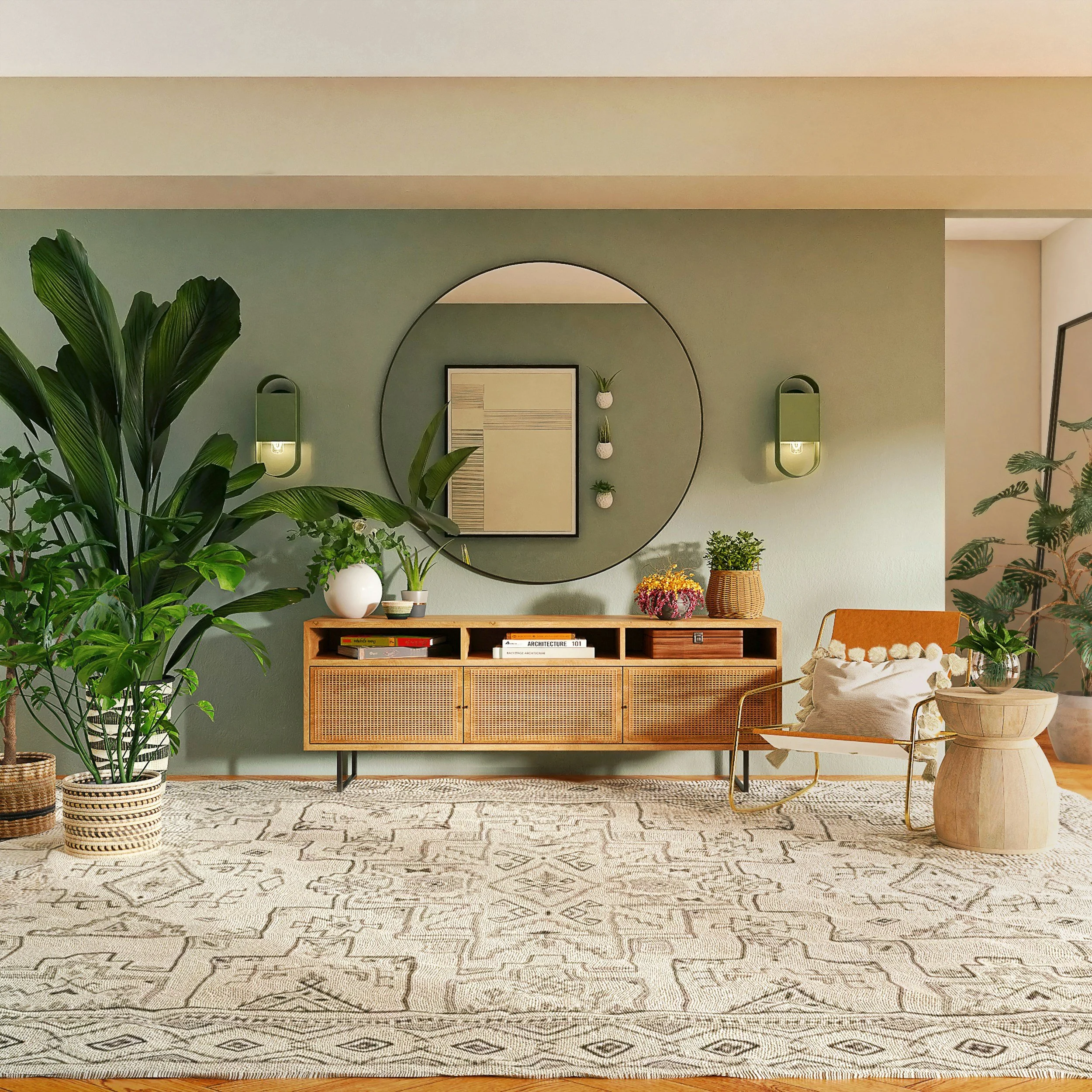
8. Style Your Surfaces Intentionally
Surfaces — shelves, coffee tables, sideboards, nightstands — have a habit of becoming dumping grounds over time. A spring refresh is the perfect moment to style them with purpose rather than convenience.
How to use it at home: The classic approach to surface styling is the rule of three: group objects in odd numbers, vary the height, and mix materials. A tall vase, a low stack of books, and a small sculptural object, for instance, creates balance without looking rigid. For a spring update, introduce one seasonal element — a small plant, fresh flowers, or a ceramic in a spring-appropriate tone — and let the rest of the styling remain understated. The goal is for surfaces to feel curated, not decorated.
9. Address the Entryway
The entryway is the first and last space you interact with every day, yet it's often the most neglected when it comes to seasonal updates. A refreshed entry sets the tone for the whole home and immediately changes how a space feels, both to you and anyone visiting.
How to use it at home: Start practical: clear out winter coats, boots, and anything that belongs to the colder months. Then look at the space with fresh eyes. A new mat, a piece of wall art at eye level, a small tray for keys, or even a single plant near the door can completely transform how the entry feels. Spring is a good time to introduce a mirror too — it adds light, depth, and a sense of arrival that makes even compact entryways feel intentional.
10. Make One Meaningful Change to Your Main Space
After working through the rest of this list, come back to your main living area and make one significant, intentional change. Not a small tweak — something that shifts the energy of the room in a way you'll notice every day.
How to use it at home: This could be repositioning your furniture to open up the room, investing in a piece of wall art that anchors the space in a way nothing else currently does, adding a floor lamp that transforms how the room feels after dark, or committing to a rug that pulls the palette together. The most lasting spring refreshes are the ones where something genuinely changes — not just gets rearranged. Pick one thing you've been putting off and do it properly. That's what makes a refresh feel real.
Final Thoughts on Spring Refreshing Your Home
A spring refresh doesn't need to be a project. It can be as simple as swapping a throw, editing a shelf, or finally letting more light into a room you've been ignoring since October. The goal isn't transformation for its own sake — it's alignment. Getting your space to reflect the season, the light, and the energy you want to bring into the months ahead.
Start small, be intentional, and let the space evolve from there.