Top Interior Design Trends for 2026 (And How to Use Them at Home)
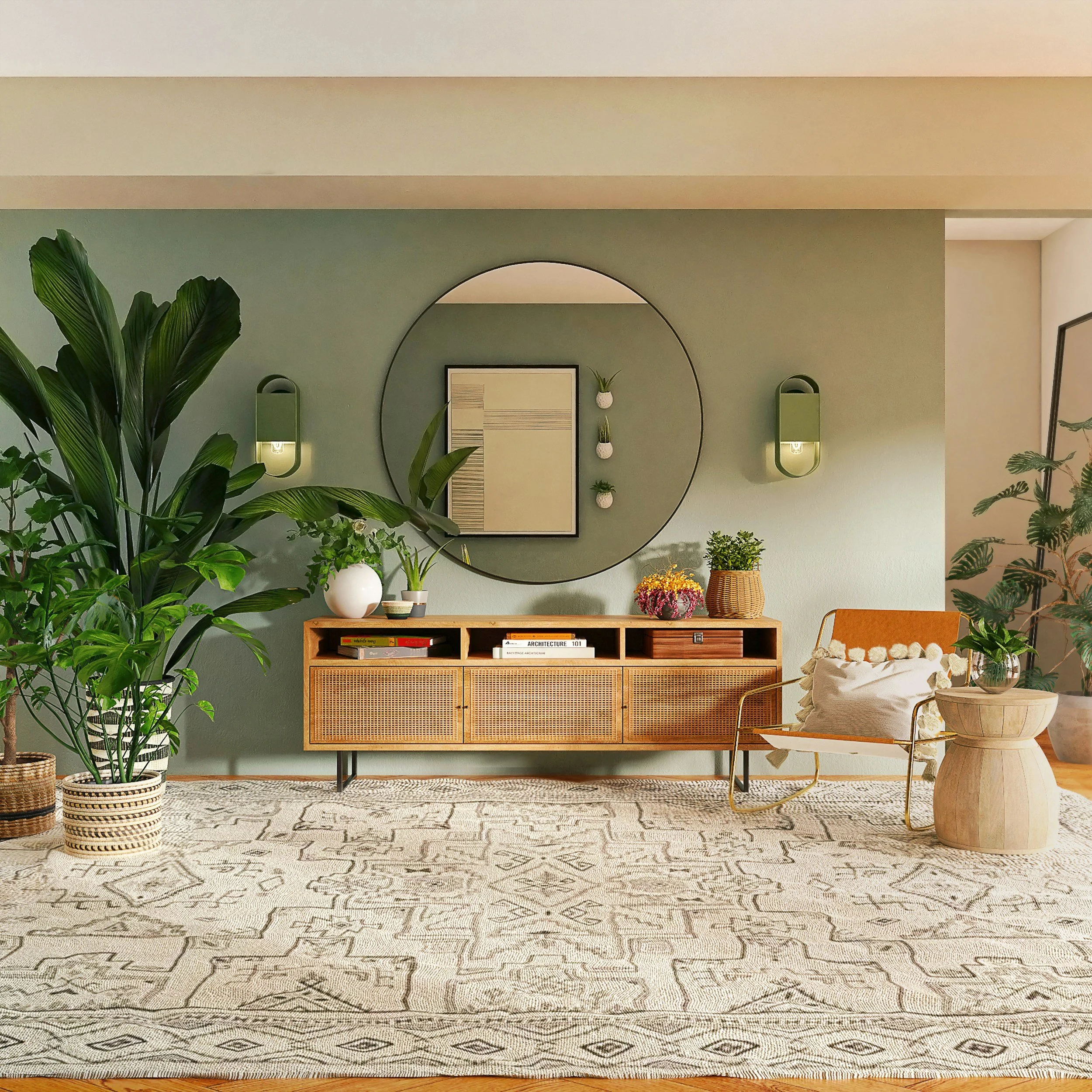
Interior design trends for 2026 feel less performative and far more personal. Instead of designing for photos or algorithms, homeowners are shifting their focus toward spaces that feel grounded, intentional, and reflective of real life. Across the design world, there’s a noticeable return to warmth, texture, and storytelling — interiors that feel lived in rather than styled overnight.
Rather than chasing every new home decor trend, 2026 encourages a slower, more thoughtful approach to design. The emphasis is on choosing pieces that last, materials that age well, and layouts that support everyday living. Below, we’re exploring the defining interior design trends for 2026 — and how to incorporate them into your home in a way that feels authentic, elevated, and timeless.
Warm Minimalism Is Defining Modern Interiors
Warm minimalism stands out as one of the most influential interior design trends for 2026. While traditional minimalism once leaned heavily on stark whites and ultra-clean spaces, this new iteration introduces softness through warmer tones, organic textures, and subtle variation. The goal is no longer perfection, but comfort — creating rooms that feel calm without feeling empty or cold.
In warm minimalist interiors, every piece is chosen with intention. Furniture feels grounded, materials feel tactile, and negative space is treated as a design element rather than a void. Neutral palettes expand beyond white to include cream, sand, soft taupe, and warm gray, creating depth without visual noise.
How to use it at home:
Start by editing your space instead of adding to it. Remove items that don’t serve a purpose or contribute to the overall feeling you want to create. Then, layer in warmth through materials like wood, linen, ceramic, and stone. Wall art should feel subtle but intentional — textured pieces, tonal prints, or softly muted designs that add interest without overpowering the room.
Statement Walls Are Back — With Meaning
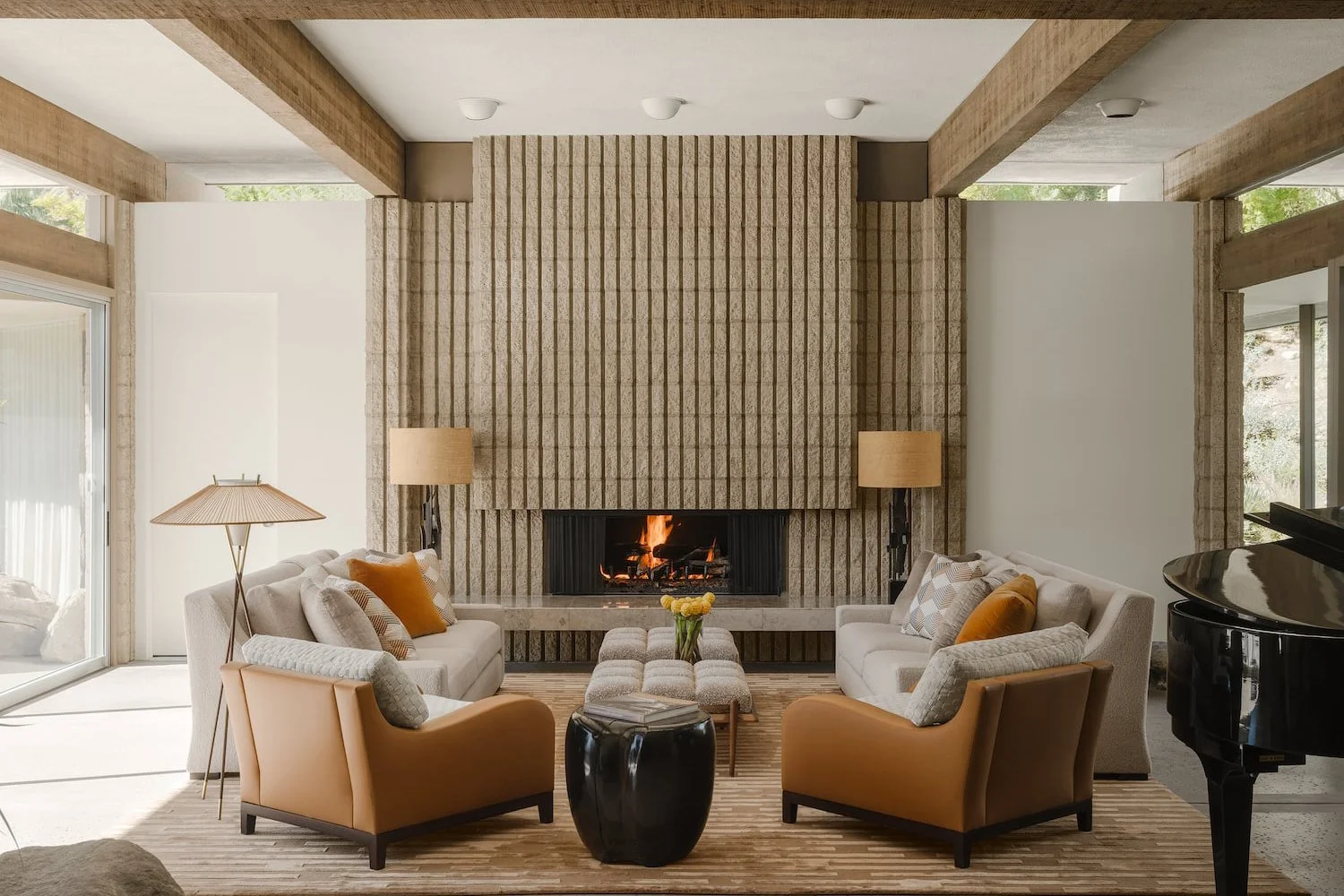
Statement walls are reemerging as a key home decor trend in 2026, but with a much more thoughtful approach than in years past. Instead of bold patterns everywhere, homeowners are choosing a single wall to anchor the room and tell a story. This shift places emphasis on quality, scale, and intention rather than excess.
In 2026, statement walls often feature oversized artwork, sculptural pieces, or carefully curated gallery walls that reflect personal taste. These walls act as visual pauses — moments of expression that elevate the entire space without overwhelming it.
How to use it at home:
Identify a wall that naturally draws attention, such as the one behind a sofa, bed, or dining table. Choose one large art piece or a balanced gallery arrangement that feels cohesive in color and mood. Let the wall breathe by keeping nearby furniture and decor minimal. A well-executed statement wall should feel grounded and confident, not crowded.
Moody Color Palettes Continue to Rise
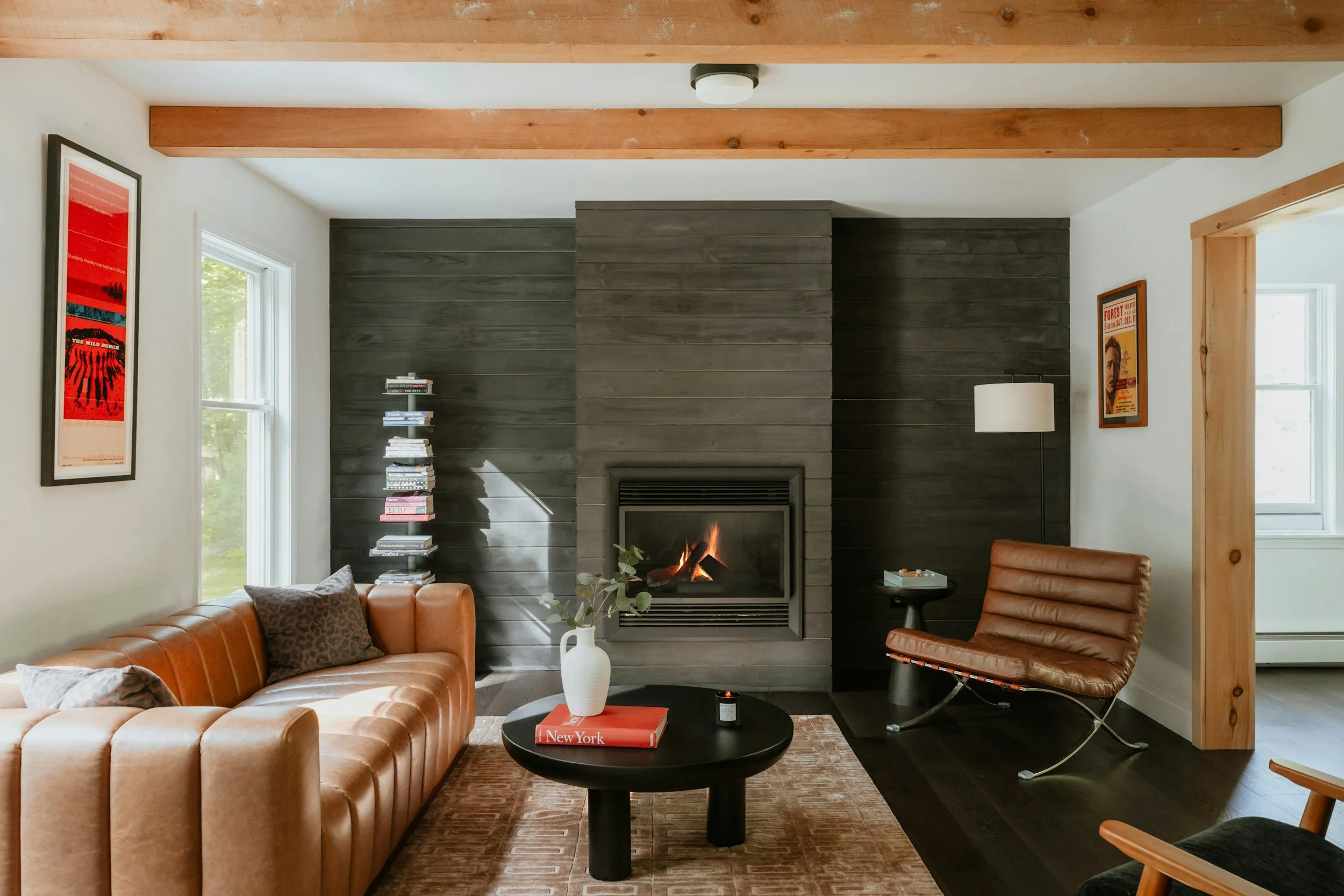
Moody color palettes remain prominent, evolving into something more refined and approachable. Deep greens, charcoal tones, rich browns, navy, and burnt amber are being used to create spaces that feel intimate and sophisticated rather than dark or heavy.
What sets this trend apart is balance. Designers are pairing deeper hues with warm neutrals, natural materials, and soft lighting to maintain a welcoming atmosphere. These colors bring depth and emotion to a room, creating environments that feel both elevated and lived in.
How to use it at home:
If committing to a fully moody room feels intimidating, start small. An accent wall, darker wall art, or richly toned textiles can introduce depth without overwhelming the space. Balance is key — pair deeper colors with lighter furniture, natural wood finishes, and textured decor to keep the room feeling open and intentional.
Curated Eclecticism Over Matching Sets
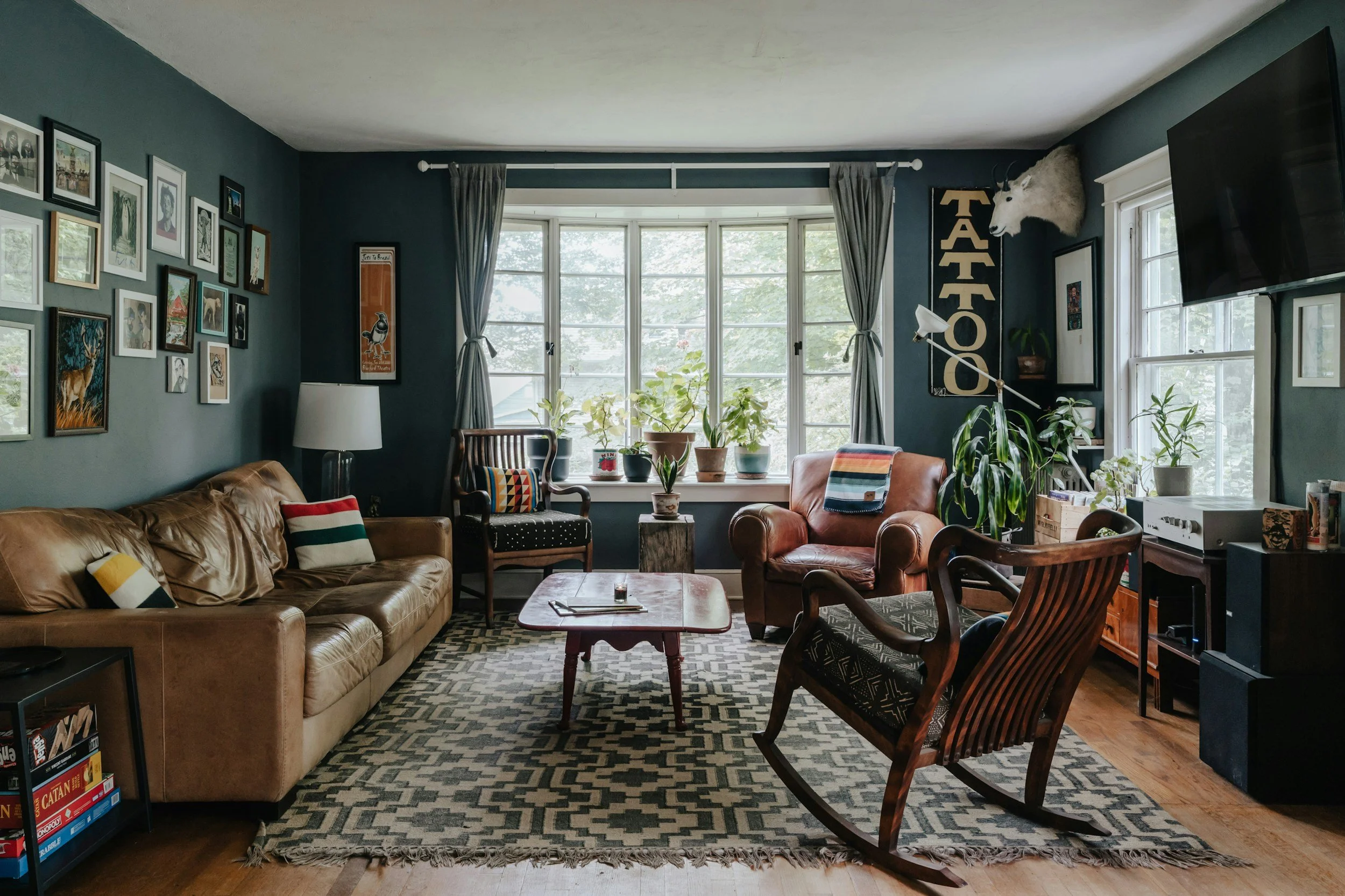
Curated eclecticism is becoming one of the most defining interior design trends of 2026. Instead of perfectly matched furniture and decor, homes are beginning to reflect a more collected aesthetic — spaces that feel built over time rather than styled all at once.
This trend celebrates individuality. Modern silhouettes sit alongside vintage finds, personal objects, and art that holds meaning. The result is a home that feels layered, expressive, and unmistakably personal.
How to use it at home:
The key to eclectic styling is cohesion. Choose a consistent color palette or recurring material to tie different pieces together. Wall art often acts as the connecting thread, helping disparate styles feel intentional rather than random. Trust your instincts, mix pieces slowly, and allow the space to evolve naturally.
Natural and Sustainable Materials Take Priority
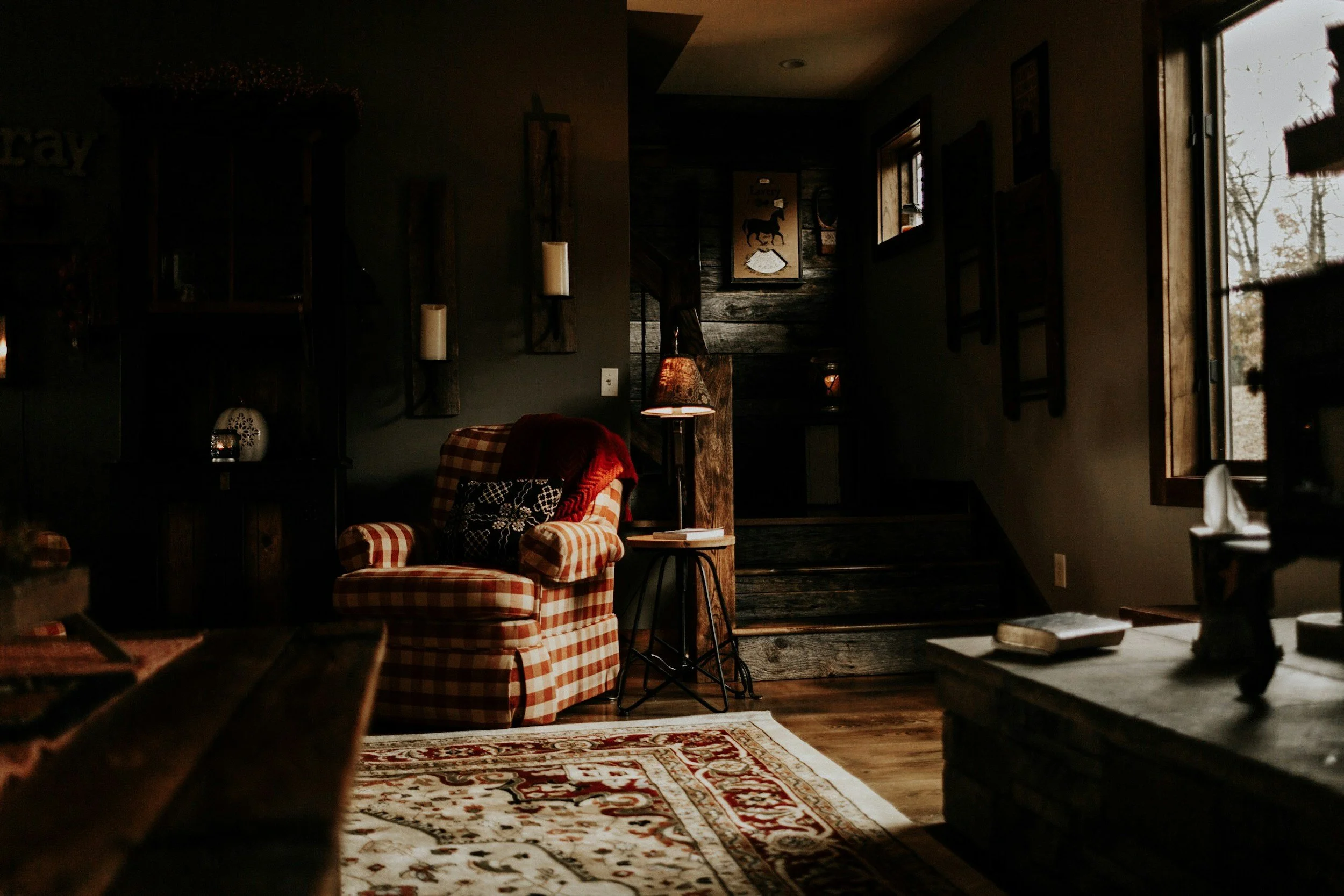
Sustainability continues to influence interior design trends, with a growing emphasis on materials that feel honest, durable, and timeless. Reclaimed wood, clay, plaster, stone, and natural fibers are becoming staples in interiors that prioritize longevity over trend cycles.
This shift isn’t just about eco-conscious choices — it’s about creating spaces that feel grounded and enduring. Natural materials add warmth and texture while aging gracefully over time, making them ideal for long-term design.
How to use it at home:
Incorporate natural materials through furniture, decor, and wall art whenever possible. Look for handcrafted pieces, textured finishes, and materials that show subtle imperfections. These elements bring depth and authenticity to a space while supporting a more mindful approach to home styling.
Soft Architectural Details Add Calm
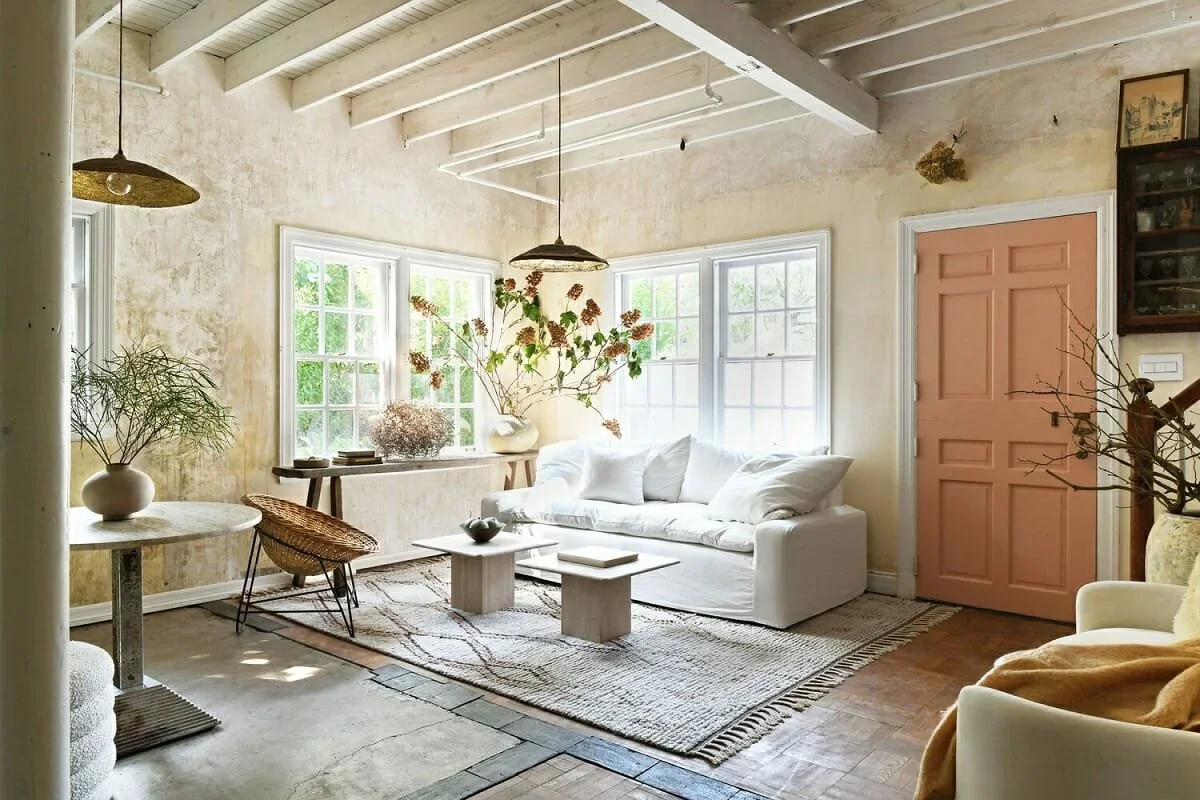
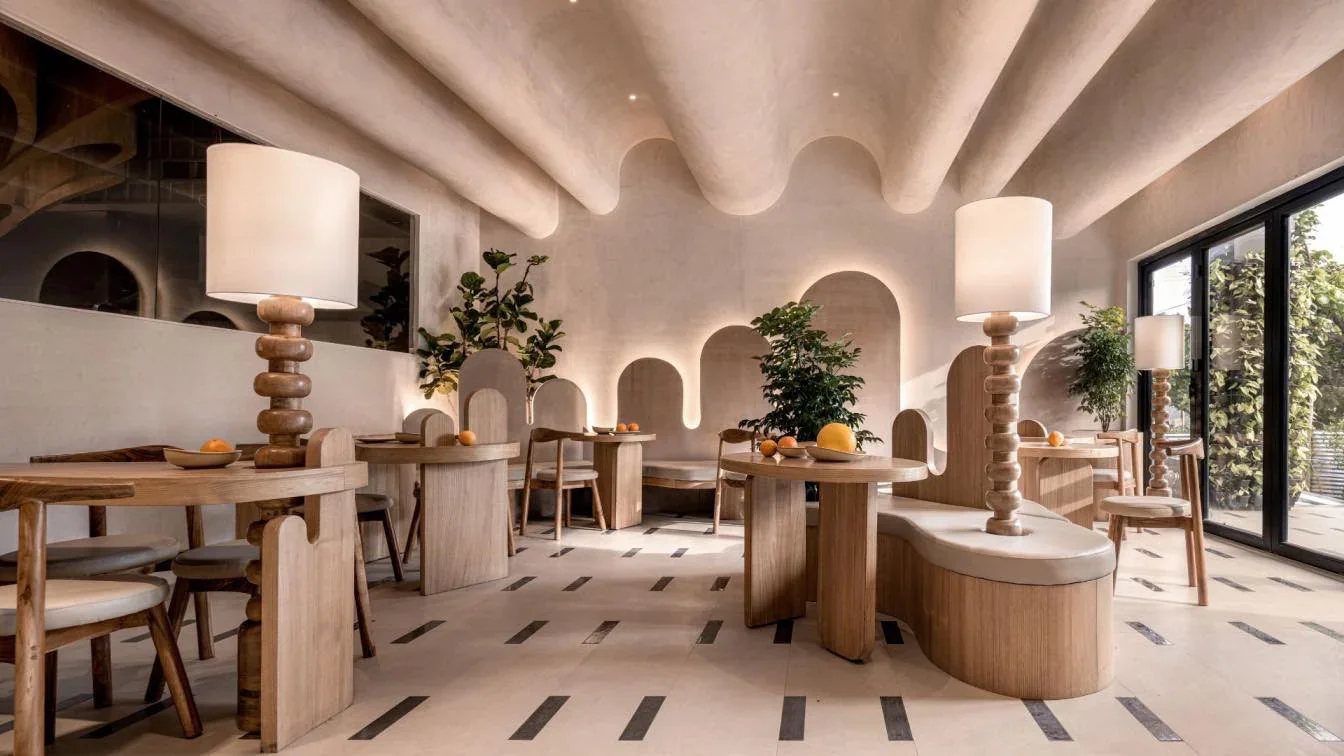
Sharp edges and rigid lines are softening as curves and rounded forms continue to grow in popularity into the new year. This interior design trend introduces a sense of flow and ease, making spaces feel more relaxed and welcoming.
Arches, curved furniture, rounded mirrors, and soft silhouettes are replacing hard angles, creating interiors that feel more organic and fluid. These details subtly influence how a space feels, even when the change is minimal.
How to use it at home:
If structural updates aren’t an option, introduce curved shapes through decor. Rounded mirrors, arched wall art, or softly shaped frames can make a noticeable impact. Even small curved elements help soften the overall feel of a room and bring balance to modern interiors.
Personal Style Matters More Than Ever
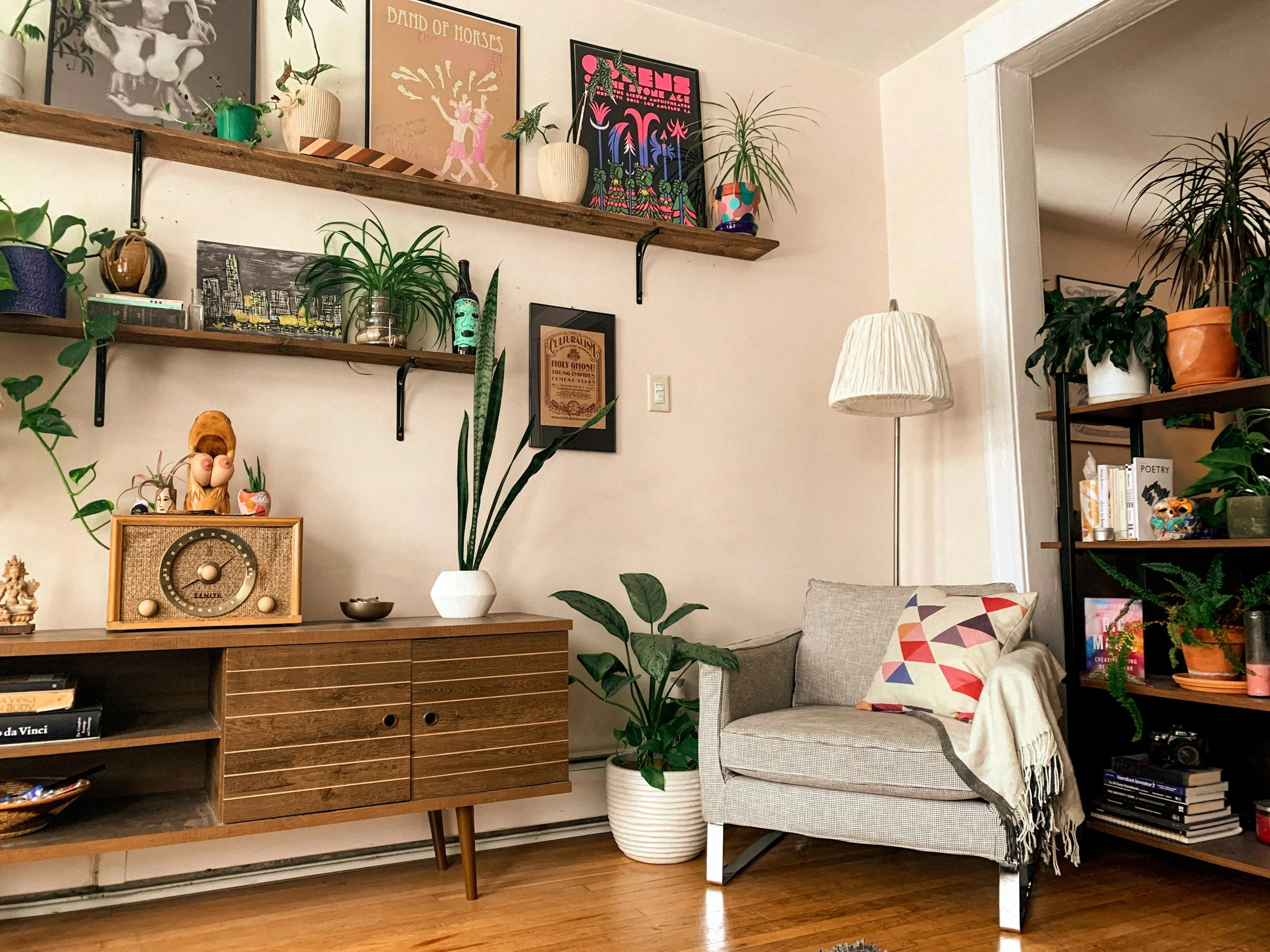
Perhaps the most important interior design trend of 2026 is the move away from trend-driven homes altogether. Designers and homeowners alike are prioritizing personalization, choosing pieces that reflect real experiences, interests, and stories rather than fleeting aesthetics.
Homes are becoming deeply personal spaces — places that evolve over time and feel authentic to the people living in them.
How to use it at home:
Choose wall art and decor that resonates with you emotionally. Display pieces that tell a story, spark a memory, or simply make you feel at home. The most timeless interiors aren’t created by following every trend — they’re built through intention, patience, and personal expression.
Final Thoughts on Interior Design Trends for 2026
The interior design trends of 2026 emphasize warmth, intention, and individuality. Whether you’re drawn to warm minimalism, expressive statement walls, or layered eclectic spaces, the goal isn’t to follow trends blindly — it’s to create a home that feels authentic and lived in.
Let trends inspire your choices, not define them. The most compelling interiors are always the ones that reflect the people who live within them.